
Products
Your Dream, DONGTAI Create——Ideas for Intelligent Knitting
Unveiling the Innovative Technology Behind Knitting Machines and Spacer Fabric
Release time:
2024-06-17
--- # Introduction In today's fast-paced world of manufacturing and processing machinery, innovation is key to staying ahead of the competition. One industry that has seen significant advancements in technology is the textile machinery sector, particularly in the realm of knitting machines and spacer fabric. In this article, we will delve into the fascinating world of these cutting-edge technologi
# Introduction
In today's fast-paced world of manufacturing and processing machinery, innovation is key to staying ahead of the competition. One industry that has seen significant advancements in technology is the textile machinery sector, particularly in the realm of knitting machines and spacer fabric. In this article, we will delve into the fascinating world of these cutting-edge technologies and explore how they are reshaping the textile industry.
## What Are Knitting Machines?
Knitting machines are sophisticated pieces of equipment that are used to create knitted fabrics and garments. These machines use a variety of techniques to produce knitwear, from basic stitches to complex patterns. Knitting machines come in various types, including circular knitting machines, flat knitting machines, and warp knitting machines, each with its unique capabilities and applications.
### Circular Knitting Machines
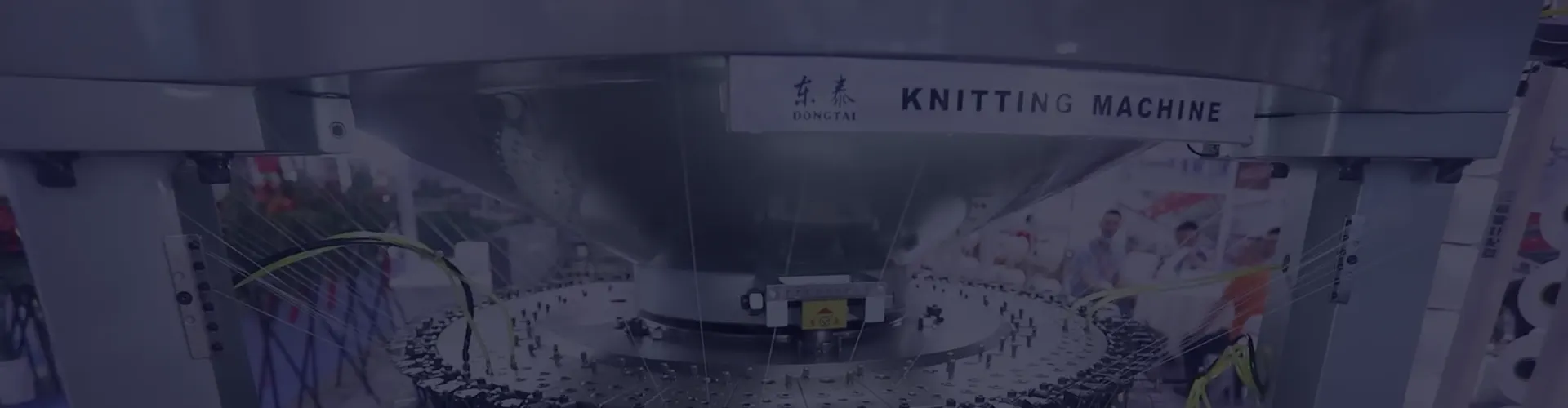
Circular knitting machines are commonly used to produce seamless tubes of fabric, such as socks, hats, and sleeves. These machines feature a circular needle bed that continuously loops the yarn to create a seamless, tubular fabric. Circular knitting machines are highly versatile and can produce a wide range of knitwear products efficiently.
### Flat Knitting Machines
Flat knitting machines, on the other hand, are used to produce flat pieces of knitted fabric, such as scarves, sweaters, and blankets. These machines feature a flat needle bed that moves back and forth to create the desired knit pattern. Flat knitting machines are ideal for producing intricate designs and textures in knitwear.
### Warp Knitting Machines
Warp knitting machines are designed for producing warp-knitted fabrics, which are characterized by their stability and strength. These machines use multiple yarns simultaneously to create complex knitted structures with high precision. Warp knitting machines are commonly used in the production of technical textiles, such as automotive fabrics, sports apparel, and medical textiles.
## What Is Spacer Fabric?
Spacer fabric is a unique type of knitted fabric that consists of two separate layers of fabric connected by spacer yarns. These spacer yarns create air pockets between the layers, resulting in a breathable, cushioned fabric with excellent thermal insulation properties. Spacer fabric is commonly used in a variety of applications, including sportswear, medical textiles, and upholstery.
### Advantages of Spacer Fabric
Spacer fabric offers several advantages over traditional knitted fabrics, including enhanced breathability, moisture-wicking properties, and improved cushioning. The air pockets created by the spacer yarns allow for better airflow, making spacer fabric ideal for use in garments and products that require ventilation and comfort.
### Applications of Spacer Fabric
Spacer fabric is widely used in various industries, from apparel and footwear to automotive and furniture. Its unique structure and properties make it suitable for a range of applications, including sports apparel, orthopedic supports, mattress covers, and seat cushions. Spacer fabric is valued for its durability, versatility, and exceptional comfort, making it a popular choice among manufacturers and designers.
# Innovative Technology in Knitting Machines and Spacer Fabric
The textile machinery industry is constantly evolving, with new technologies and innovations driving progress in knitting machines and spacer fabric. Manufacturers are continuously developing new techniques and materials to enhance the performance and efficiency of these machines, leading to higher-quality products and greater production capabilities.
## Automation and Digitization
One of the most significant advancements in knitting machines is the integration of automation and digitization into the production process. Modern knitting machines are equipped with advanced computerized systems that control the knitting process with precision and accuracy. These automated systems allow for faster production speeds, greater consistency in product quality, and reduced material waste.
## 3D Knitting Technology
3D knitting technology is revolutionizing the textile industry by enabling the production of three-dimensional knitted structures with intricate shapes and patterns. This advanced technology allows for the creation of seamless, customized garments and products that conform to the body's contours. 3D knitting machines use complex algorithms and programming to produce complex knitwear designs that were once impossible with traditional knitting methods.
## Sustainable Materials and Production
As the demand for sustainable and eco-friendly products grows, manufacturers are turning to sustainable materials and production methods in the textile industry. Knitting machines are being designed to use recycled yarns, organic fibers, and biodegradable materials to reduce the environmental impact of textile production. Spacer fabric, with its breathable and recyclable properties, is an excellent choice for sustainable textiles that prioritize comfort and durability.
# Frequently Asked Questions
1. **What are the different types of knitting machines?**
- Circular knitting machines, flat knitting machines, and warp knitting machines are the main types of knitting machines used in the textile industry.
2. **What is spacer fabric used for?**
- Spacer fabric is used in various applications, including sportswear, medical textiles, and upholstery, due to its breathability and cushioning properties.
3. **How is automation changing the textile industry?**
- Automation in knitting machines allows for faster production speeds, improved product quality, and reduced material waste, enhancing efficiency and sustainability.
4. **What is 3D knitting technology?**
- 3D knitting technology enables the production of three-dimensional knitted structures with intricate shapes and patterns, creating seamless, customized garments and products.
5. **Why are sustainable materials important in textile production?**
- Sustainable materials in textile production help reduce the environmental impact of manufacturing, promote eco-friendly practices, and meet the growing demand for sustainable products.
# Conclusion
In conclusion, the innovative technology behind knitting machines and spacer fabric is driving significant advancements in the textile industry. With automation, 3D knitting technology, and sustainable materials shaping the future of textile production, manufacturers are able to create high-quality, sustainable products that meet the demands of today's consumers. By embracing these cutting-edge technologies, the textile industry is poised for continued growth and innovation in the years to come. Explore the possibilities of knitting machines and spacer fabric to stay ahead of the curve in this dynamic industry.


Your Dream, DONGTAI Create——Ideas for Intelligent Knitting
Contact us
Add: Yuyuan South Road, Xiku Industrial Zone, Hanjiang Town, Shishi, Quanzhou, China
Wechat: +86-18876279605
WhatsApp: +86 18876279605
Phone: +86-18876279605
E-mail: dt@dongtaiknitmachinery.com
Copyright © 2022 Quanzhou Dongtai Knitting Machinery Co.,ltd. | Business license